libraries are community
Who we are
We are a grassroots nonprofit that creates libraries where children feel they belong.
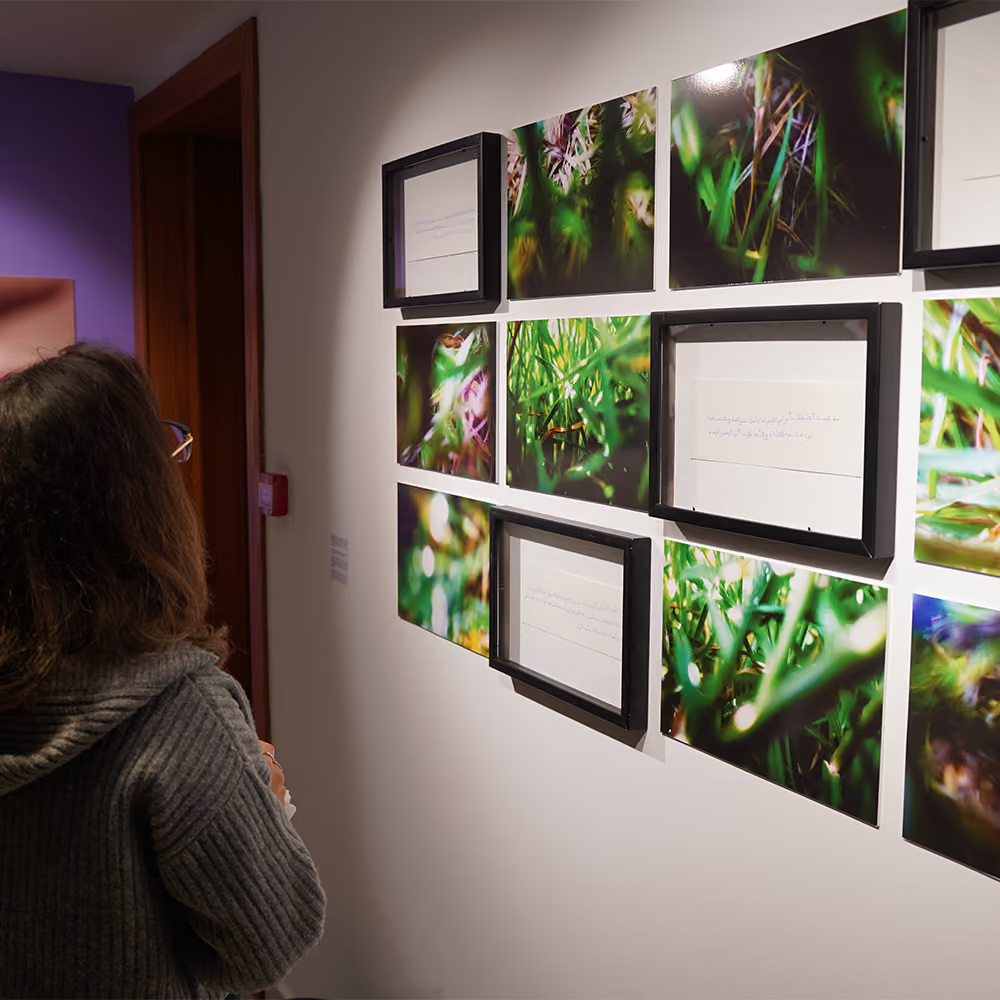
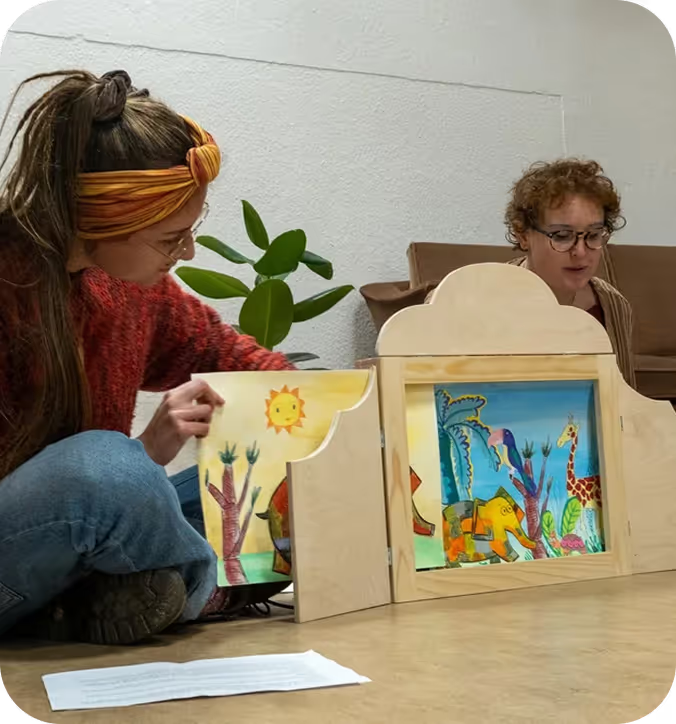
We create library spaces and artist-led storytelling programmes for children who are often pushed to the margins. Working with artists whose practices and lived experiences connect with our communities, our spaces are rooted in language, culture and care, supporting emotional well-being and helping children rebuild confidence and a sense of possibility.
What we do
A library is more than a collection of books.
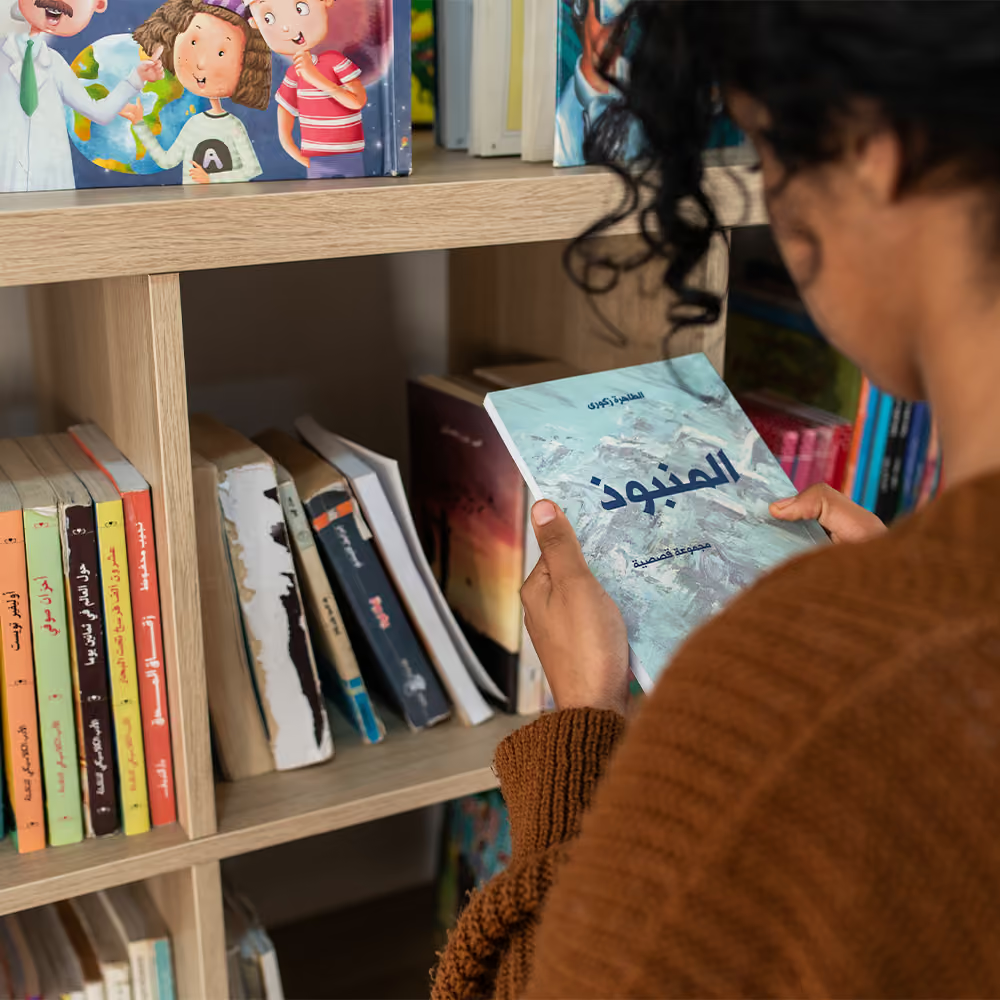
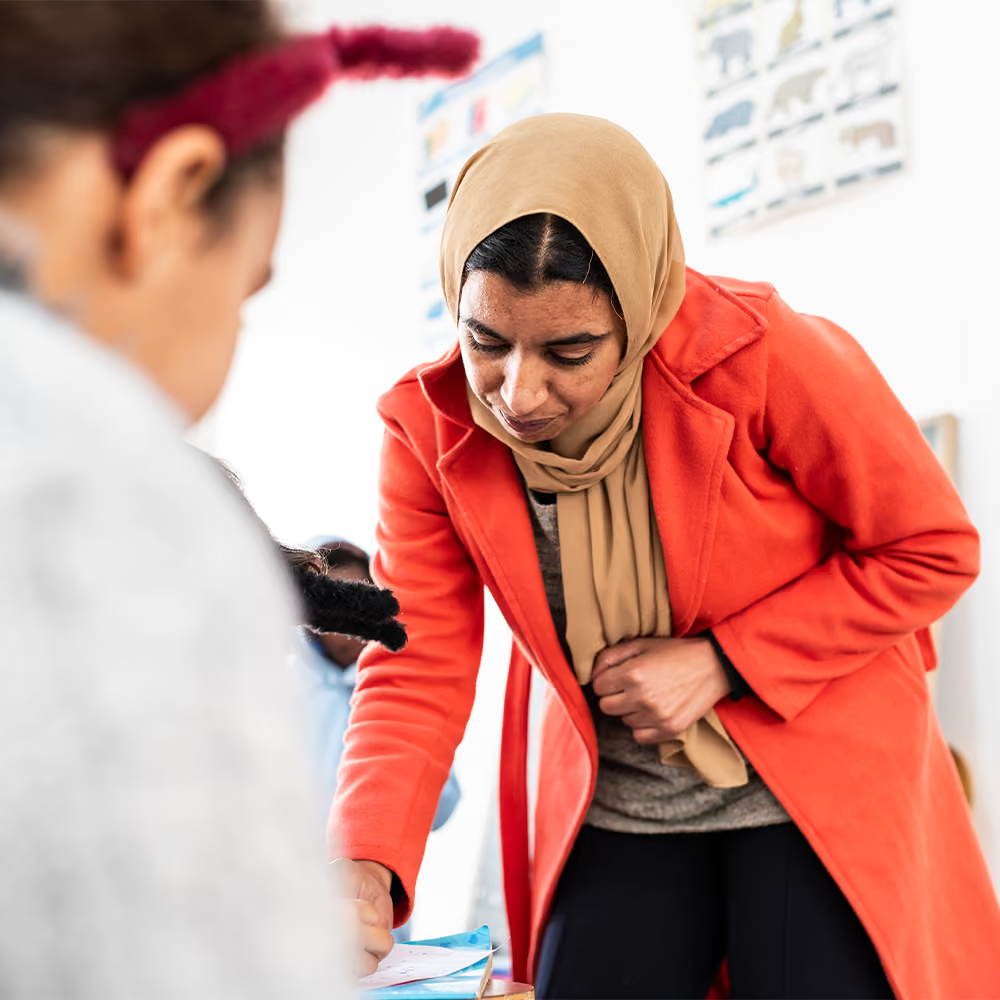
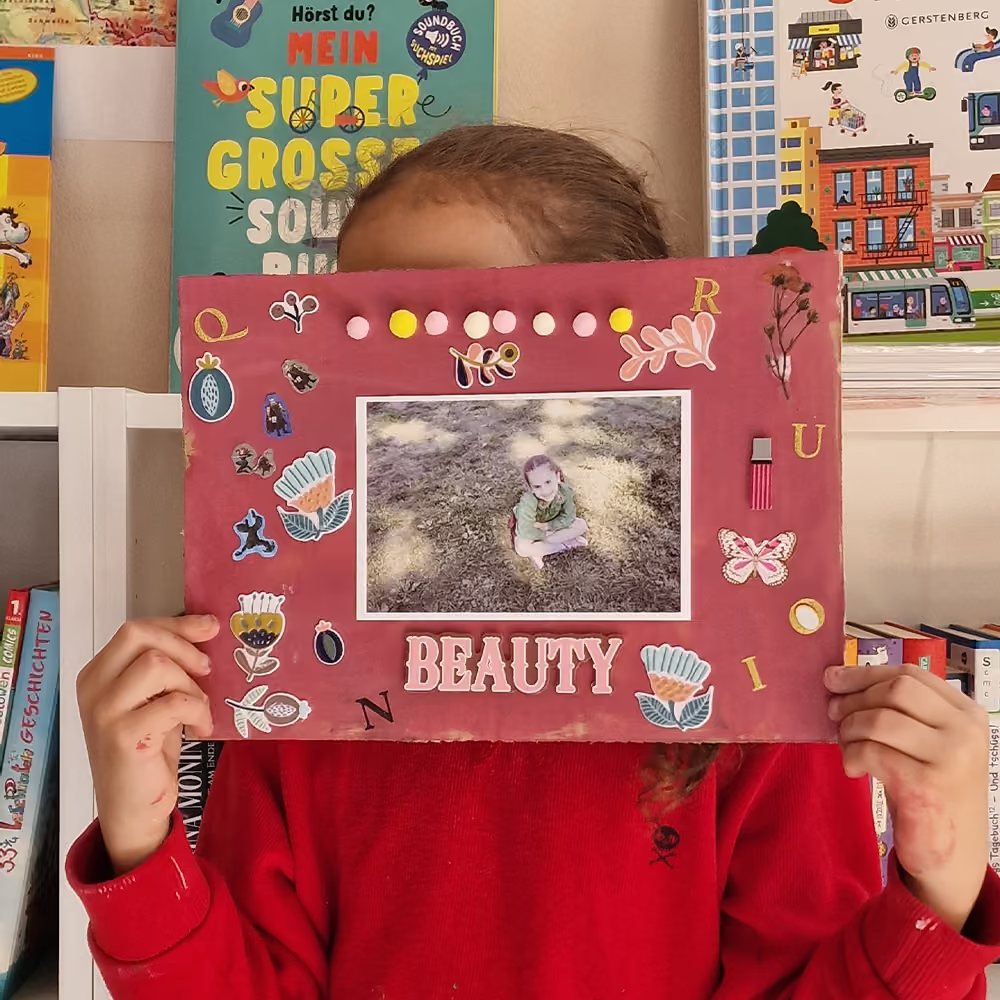
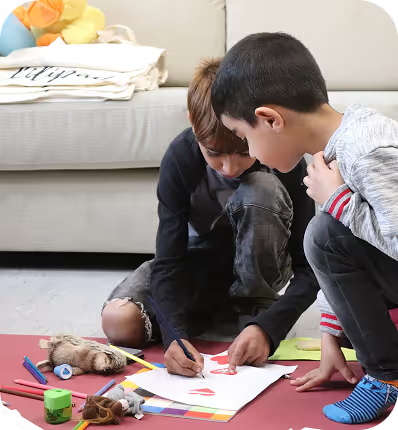
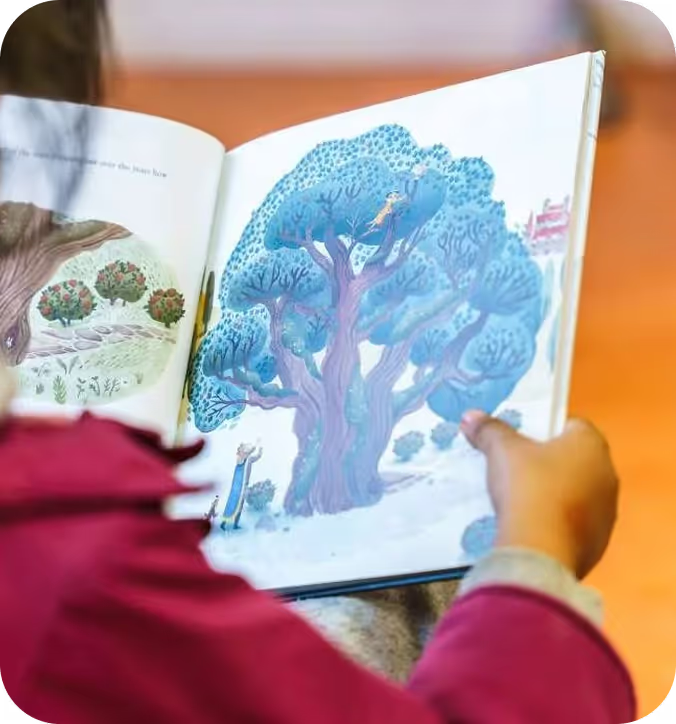
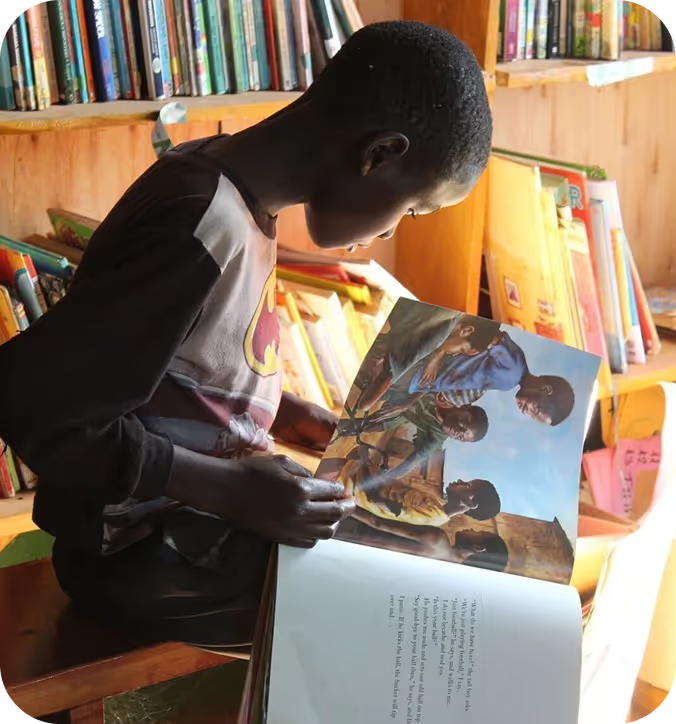
It becomes meaningful when children have the time to make it their own and people they trust to return to. For nearly a decade, lilipad has created libraries and storytelling programmes in places where children are often excluded from cultural life. We work inside refugee accommodations, child protection centres and underserved neighbourhoods, building long-term relationships with the communities and institutions around them. Artists, librarians and facilitators bring the spaces to life, creating opportunities for children to read, create and tell stories in ways that reflect who they are.
Our Impact
21
Libraries embedded in the communities where children live, inside refugee accommodations, child protection centres, and neighbourhood spaces. A large majority remain active over many years, becoming stable, familiar places where children feel genuine belonging.

2000
Children have ongoing access to books and learning materials in spaces close to where they live. Some return over long periods, while others encounter the library during shorter stays. This helps us have both depth of engagement and wide reach over time.
20
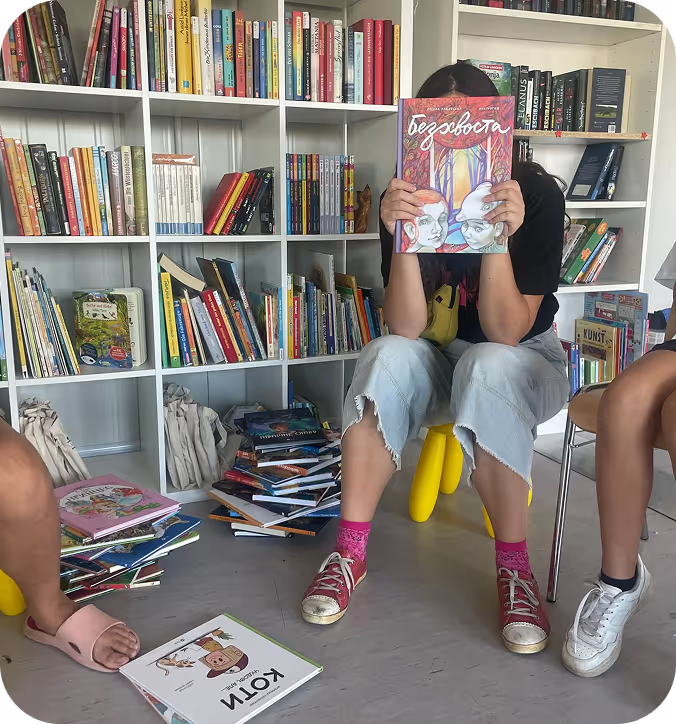
Our libraries always try to reflect the native languages of the children. Through multilingual and bilingual books, we support literacy while affirming cultural identity, ensuring children can recognise themselves and feel a sense of pride thanks to the stories around them.
4

We intentionally work with emerging and independent artists whose lived experiences and creative practices connect with the communities around our libraries. They bring their own ways of seeing and telling stories into our lilipad spaces, becoming creative role models for children who may rarely encounter artists they can relate to. Many stay connected to lilipad across projects and over time, finding new contexts for their practice and opportunities to share their work with wider audiences.
Where we work


Why libraries?
Most of the children who come to our libraries have never been inside a library before. Not because libraries don't exist where they live, often they do, but because a library that isn't yours yet might as well not exist at all.
Reaching children in temporary housing, in shelters, in the middle of displacement, requires more than a building with an open door. It requires the library to come to them in their languages, in spaces they already occupy, at a moment when stability of any kind is rare.
What makes libraries worth bringing, specifically, is harder to articulate than it sounds. A library is not a classroom. It doesn't ask for attention or progress. It simply makes things available without condition, and that unconditionality is entirely new for some children. To be in a space that expects nothing, judges nothing, and still offers everything it has is not a small thing.
Read more about our libraries
"With lilipad books, I improved my Arabic reading and speaking skills, and developed my creativity through drawing, colouring, and dancing."

13 year old resident of the
Centre de Sauvegarde de l’Enfance Abdeslam Bennani in Casablanca
Community & events
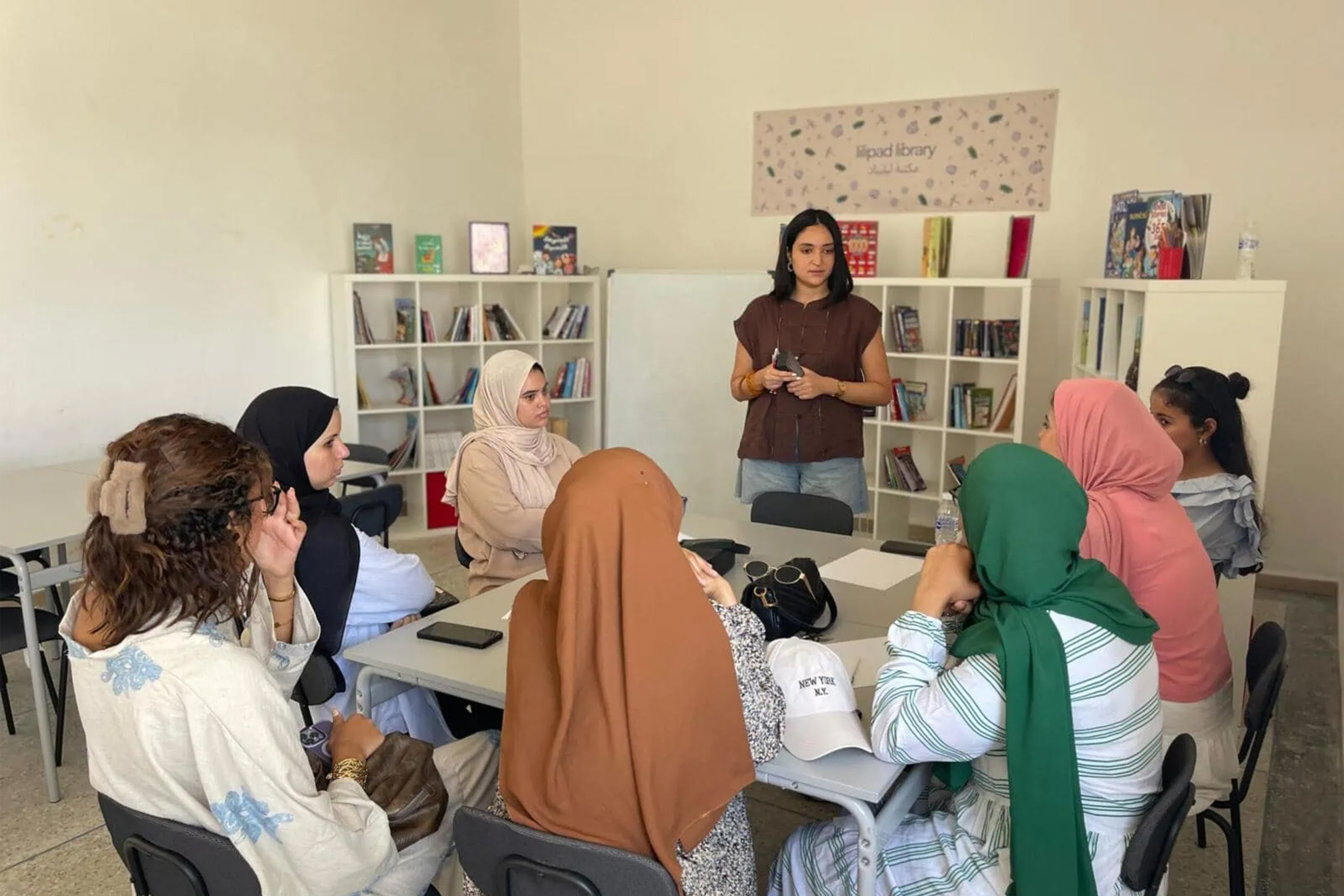
Donations support libraries, librarians, and cultural work
From shared reading and everyday library life to workshops and public events, your support helps ensure children continue to have access to spaces where their language, curiosity, and imagination are taken seriously.
Read more


.jpg)


Our partners
lilipad is proud to work alongside trusted partners
We are deeply grateful to work alongside organisations that value long-term commitment, cultural relevance, and trust - and who recognise that meaningful work with children is built over time.









Donate
Keep our libraries running
Your support helps ensure children continue to have access to spaces where their language, curiosity, and imagination are taken seriously.